




As India faces one of its harshest summers in decades, with temperatures soaring above 45°C in many parts of the country, it’s no longer just a matter of discomfort—it’s a serious public health issue.
At StreetHospitals.com, we aim to empower individuals and families with practical, life-saving health information and connect them to the right healthcare providers. Here’s a complete guide on how to protect yourself and your loved ones from the rising threat of heat-related illnesses.
1. Why is Extreme Heat Dangerous?
Prolonged exposure to high temperatures can lead to dehydration, heat exhaustion, and in severe cases, heatstroke—a medical emergency. It also worsens conditions like heart disease, respiratory illness, and diabetes.
2. High-Risk Groups Who Need Extra Care
- Senior citizens
- Infants and children
- People with chronic conditions (like diabetes or hypertension)
- Outdoor workers
- Pregnant women
💡 If you or your loved ones fall in these categories, consult with:
👉 General Physicians Near You
👉 Pediatricians for Child Care
👉 Cardiologists for Heart Patients
👉 Gynecologists for Pregnancy Care
3. Symptoms of Heat-Related Illness
| Heat Exhaustion | Heat Stroke (Emergency) |
|---|---|
| Heavy sweating | No sweating, red/hot skin |
| Weakness or fatigue | Body temp > 104°F (40°C) |
| Nausea or vomiting | Disorientation or unconsciousness |
| Headache, dizziness | Seizures, confusion |
If symptoms escalate, immediately visit your nearest emergency clinic.
👉 Find Emergency Services Near You
4. How to Protect Yourself During Heatwaves
✅ Stay Hydrated
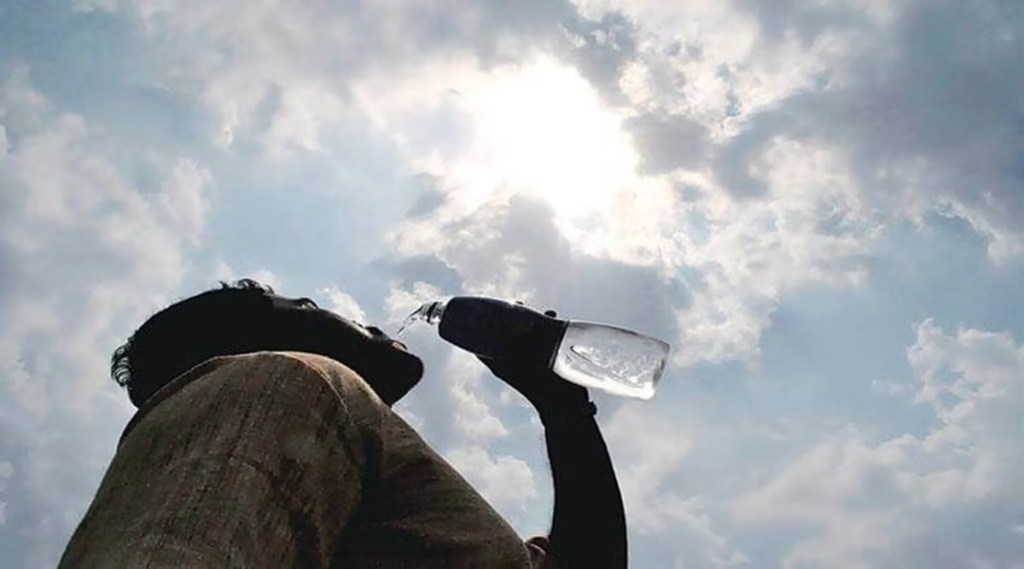
- Drink water frequently, even if not thirsty.
- Use ORS, lemon water, or coconut water.
- Avoid caffeine, alcohol, and sugary drinks.
✅ Avoid Peak Sun Hours
- Stay indoors from 12 PM to 4 PM.
- Reschedule outdoor work or wear full-sleeve light cotton clothing.
✅ Eat Fresh and Light
- Prefer fruits and salads: cucumber, watermelon, and muskmelon.
- Avoid oily, spicy food.
✅ Cool Your Environment
- Use curtains or reflective sheets.
- Cross-ventilate early morning and night.
- Place wet towels near fans for cooling.
5. Managing Pre-Existing Health Conditions
People with chronic diseases must be extra cautious as heat can worsen symptoms or interfere with medications.
Consult:
👉 Diabetologists
👉 Pulmonologists (for asthma or COPD)
👉 Nephrologists (for kidney-related issues)
6. Community & Workplace Tips
- Check on elderly neighbors and relatives regularly.
- Provide shaded rest areas and water stations for workers.
- Encourage schools to adjust schedules and ensure drinking water is available.
7. What to Do in a Heat Emergency
If someone is:
- Fainting
- Vomiting persistently
- Extremely hot but not sweating
- Breathing abnormally
Then it may be a case of heatstroke.
✅ Immediately move them to a shaded area.
✅ Sponge with cool water or apply ice packs.
✅ Call for emergency medical attention right away.
👉 Find Nearby Ambulance or First Aid Services
Conclusion: Be Proactive, Stay Informed, and Spread Awareness
India’s climate is becoming increasingly harsh, but with the right precautions and timely medical care, heat-related fatalities are entirely preventable.
🔎 Use StreetHospitals.com to:
- Locate reliable doctors near you
- Browse hospitals by specialty
- Get verified healthcare contact information
Let’s protect ourselves and support one another through this summer crisis.
Stay cool, stay hydrated, and remember—prevention starts with awareness.
